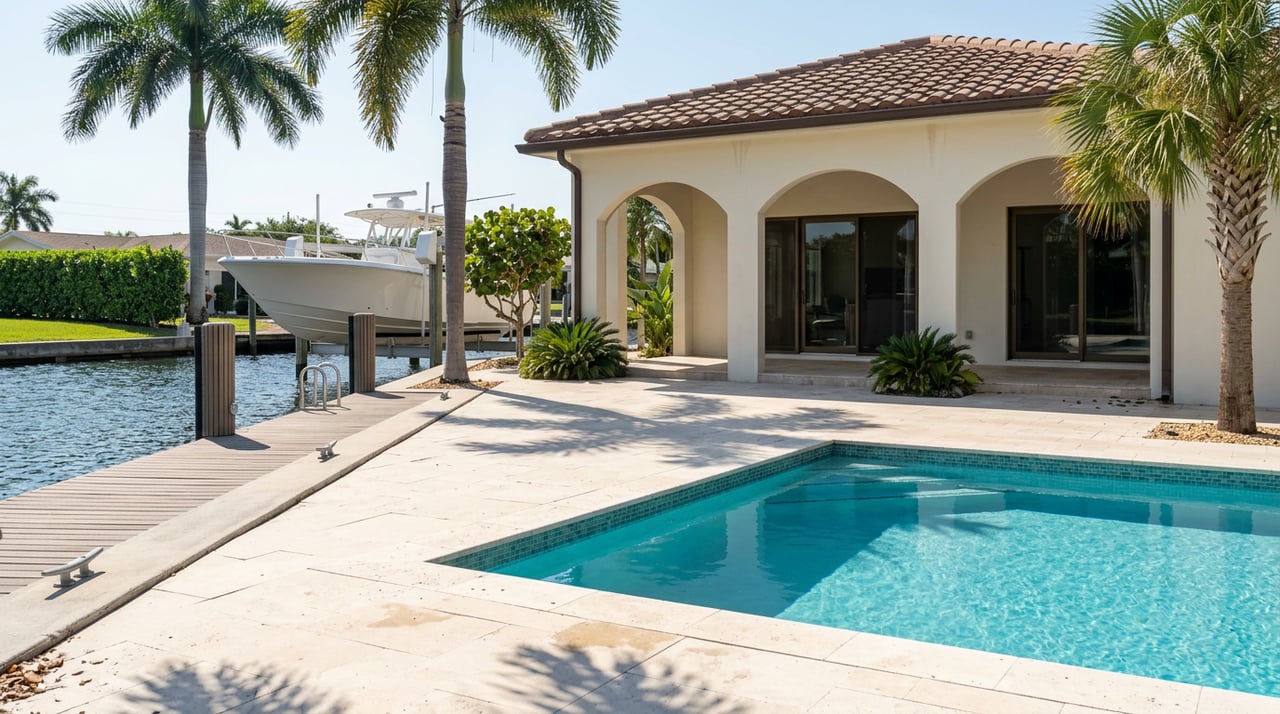
Explore the North Palm Beach Boating Lifestyle
March 5, 2026
March 5, 2026
Salt on the breeze, five minutes to the inlet, and a marina scene where your tender sits steps from dinner. If you see your days unfolding on the water, North Palm Beach puts almost everything you need within a short cruise. From superyacht berths to private lifts behind your home, the choices here shape how you live every day. In this guide, you’ll learn how the local marina network works, what slip sizes fit most boats, how waterfront homes handle dockage, and how to plan for ocean runs and hurricane season. Let’s dive in.
Set on the Atlantic Intracoastal Waterway, North Palm Beach offers quick runs to the Lake Worth (Palm Beach) Inlet, the area’s primary deepwater ocean pass. The inlet is well marked and maintained, which is why so many marinas highlight it as their ocean gateway for fishing and Bahamas runs. You can review inlet characteristics and location near Peanut Island in the official overview from Marinas.com.
Local marinas cluster around sheltered basins and keyhole harbors, so you get options from small slips to superyacht berths within a few miles. Many facilities participate in Florida’s Clean Marina program, which recognizes pump‑out availability and environmental best practices. You can scan designated locations in the Southeast District on the Florida DEP Clean Marina list.
For a resort‑style base with views and amenities, Safe Harbor Old Port Cove sits on a roughly 60‑acre peninsula and caters to both transient and long‑term dockage. You will see berths for large yachts, on‑site services, and dining options that make it a social hub as much as a marina. Explore the facility details on the Safe Harbor Old Port Cove overview.
Tucked in a protected harbor with quick ICW access, Safe Harbor North Palm Beach blends classic marina services with fuel, in‑slip pump‑outs, and a range of slip sizes. Standard slips commonly accommodate boats in the 30 to 80 foot class, with capacity for larger craft depending on berth. See current features and proximity to the inlet on the Safe Harbor North Palm Beach page.
If you run big, the regional heavyweight is Rybovich in the West Palm Beach and Riviera Beach area. It combines marina berths with a full refit yard, large travel lifts, and crew facilities, which is why many large vessels base here for service and unobstructed ocean access. Get a sense of capabilities from this Rybovich profile.
Around North Palm Beach and Riviera Beach you will also find municipal marinas, private fuel docks, and service yards that cover everyday needs. Common offerings include diesel and gas, shore power, Wi‑Fi, restrooms and showers, haul‑out, and transient dockage. Clean‑marina designations in the region, listed by the Florida DEP, help you compare environmental practices and pump‑out access.
Understanding local slip ranges helps you match your boat to the right home or marina.
Marinas publish their own limits, so confirm power, beam, and draft needs directly. For example, Safe Harbor North Palm Beach outlines slip capabilities and services on its facility page.
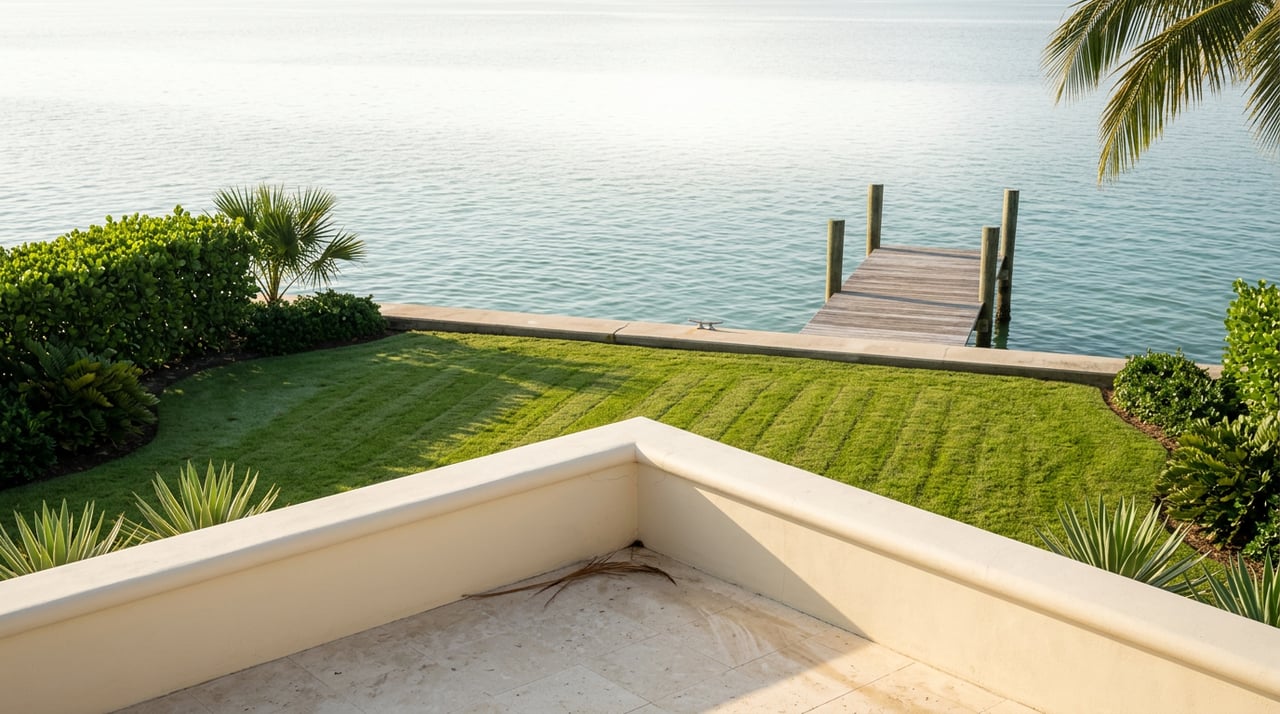
Waterfront single‑family lots here commonly offer private docks that handle about 30 to 50 feet of linear dockage, with many owners installing boat lifts. Lift capacity varies by property, and listings frequently cite 10,000 to 16,000 pound ratings for small to mid‑size boats. In condominium communities, slips may be shared or assigned, and waiting lists are common depending on the HOA.
Two technical checks matter for daily use: controlling depth and air draft. Many residential canals in North County report about 4 to 6 feet at mean low water, and fixed spans on the ICW are often near 65 feet of vertical clearance at mean high water. Larger boats should verify route geometry, bridge openings, and depth with a captain’s run, as explained in these Palm Beach waterfront insights.
For nearshore fishing or day cruising, you can run the ICW to Palm Beach or south toward Delray and Boca. For offshore trips, the Lake Worth Inlet is the primary ocean pass for North Palm Beach marinas, and local captains watch tide timing and weather carefully. Review inlet characteristics and notices via the Marinas.com inlet overview.
Crossing to the northern Bahamas is a signature advantage of basing here, with common targets like Bimini or Grand Bahama. Crossings are planned around Gulf Stream and weather windows, and many owners prefer early morning departures in settled conditions. For timing tips and seasonal planning, see this Bahamas crossing overview.
Dock, lift, seawall, or dredging work can trigger federal permits under the U.S. Army Corps of Engineers Section 10 and Section 404 frameworks, along with state and county reviews. As part of due diligence, ask for permit numbers, past approvals, and inspection reports so you know what is in place and transferable. You can read how nationwide permits cover structures in navigable waters in this federal permitting summary.
Seawall age and repair history can be major cost items, and piling height affects surge resilience. If you are evaluating property, have a marine contractor review seawalls, pilings, and dock design. When a community or HOA controls the slips, confirm rules on boat size, rental policies, and any wait list or assignment process.
Most marinas here maintain written hurricane procedures that outline in‑slip securing, optional haul‑out, or relocation to a storm refuge. Owners often pre‑rig extra lines, chafe protection, and fendering and coordinate with marina staff or crew. For a sense of common marina hurricane checklists, review this hurricane prep guidance.
Boat insurance is separate from homeowner coverage, and policies may require you to haul out or follow a marina’s storm plan for coverage to apply. It is smart to model a storm scenario with your marine insurer before you buy a boat or a home. For typical expectations and coverage conditions, see this marine insurance overview.
Use this quick list as you evaluate a marina‑front condo or a single‑family waterfront home.
If you want a home that fits your boat as well as your lifestyle, you deserve tailored advice on canals, slips, and seawalls before you write an offer. We help you evaluate route‑to‑ocean realities, match property types to your vessel, and unlock on‑ and off‑market options across Palm Beach County. Connect with The Hasozbek-Garcia Team to Get Access to Our Private Listings.
Stay up to date on the latest real estate trends.
Bringing together a team with the passion, dedication, and resources to help our clients reach their buying and selling goals. With you every step of the way. Contact The Hasozbek-Garcia Team today for a free consultation for buying, selling, renting or investing in Florida.
Get in Touch With Our Team to Learn More
THE HASOZBEK-GARCIA TEAM
125 WORTH AVE STE 221 PALM BEACH FL 33480