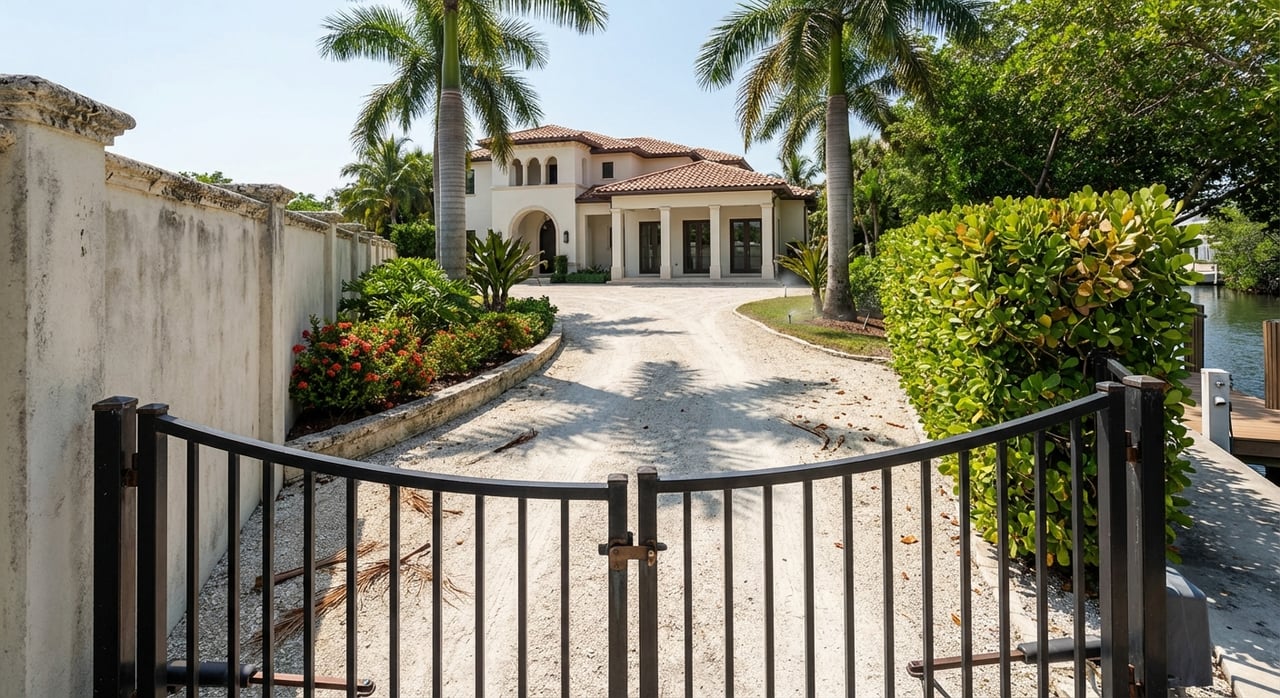
Key Things to Know Before Buying an Estate on Jupiter Island
February 19, 2026
February 19, 2026
You can fall in love with Jupiter Island at first glance, then discover it plays by a different rulebook. The island’s beauty and privacy come with unique zoning, coastal regulations and environmental protections that shape every estate. If you are weighing oceanfront versus Intracoastal, planning a renovation or considering new construction, knowing these rules upfront saves time and protects value. This guide gives you the essentials so you can buy confidently and plan with precision. Let’s dive in.
Jupiter Island is a low‑density barrier island in southern Martin County with about 1,643 acres, nine miles of Atlantic frontage and a small year‑round population. The town prioritizes conservation and single‑family estates over commercial intensity. That estate character is intentional and reflected in local policy. You see it in the town’s development profile and day‑to‑day feel of quiet, space and native landscape. The Town’s community profile outlines those fundamentals.
The Town’s Land Development Regulations use estate‑oriented districts with low density and defined building envelopes. Before you make an offer, review the zoning for the specific parcel, including permitted uses, minimum lot areas, height, setbacks and any pending amendments. You can reference the LDR framework and district naming conventions in the published code resources.
Shoreline features such as entrance walls, fences, gates, bulkheads and seawalls are regulated locally. Ask for all prior permits, variances and engineering reports that relate to the shoreline. These records help you evaluate condition and remaining lifespan. The Town’s recent ordinance updates describe submittal standards and review procedures for these elements. You can review the ordinance summary on entrance features, fences, bulkheads and seawalls.
Florida’s coastal areas are subject to public trust principles and state coastal controls near the mean high water line. Private parcels may have deeded access paths or easements, and neighboring properties can share reciprocal rights. Confirm any recorded access, easements and Town guidance before closing to avoid surprises.
Use NOAA’s interactive tool to visualize sea‑level scenarios and potential high‑tide flooding around a property. Then confirm the property’s current flood zone, Base Flood Elevation and on‑site elevations with a licensed surveyor. An up‑to‑date Elevation Certificate is essential for design, insurance and resale. Start with NOAA’s Sea Level Rise Viewer.
Projects on Jupiter Island must meet the Florida Building Code and any local technical amendments. Coastal parcels may also lie within the state’s Coastal Construction Control Line, which influences siting and design. Verify which FBC edition applies to your permits and coordinate with design consultants early. You can review the current code framework through the Florida Building Commission.
Flood insurance now prices risk property by property through FEMA’s Risk Rating 2.0. Elevation, construction type, replacement cost and proximity to water influence premiums. High‑value coastal homes can also face higher wind coverage costs. Obtain preliminary quotes for both NFIP and private markets during due diligence. FEMA’s underwriting resources explain key factors under Risk Rating 2.0.
Work in navigable waters usually requires U.S. Army Corps of Engineers authorization. New docks, bulkheads, boathouses and dredging often fall under Section 10 or Section 404 permits. Many small residential projects use general or regional permits, but you still need to confirm eligibility. Start with the Corps’ overview on obtaining a permit.
Florida DEP approvals can apply to coastal construction and shore structures, and some projects require state submerged lands leases. The Town regulates setbacks, lighting, demolition and other shoreline standards, with formal submittals and reviews. Plan your sequence with your consultants and request all existing permits from the seller. For coastal planning context and state oversight references, review the regional beach management plan and the Town’s ordinance update.
Sea‑turtle nesting season influences exterior lighting and construction near the beach. Expect limits on light visible from the beach and on nighttime work in sensitive areas. The Florida Fish and Wildlife Conservation Commission provides practical “Low, Shielded, Long” guidance and a certification list for compliant fixtures. Review the FWC’s overview on sea‑turtle lighting.
Jupiter Island edges important preserves. Proximity to protected lands can add both visual benefits and extra care around vegetation, staging and wildlife protections. For regional conservation context, explore the area’s conservation initiatives.
Use this list to structure diligence before you sign or during an inspection window. Engage local specialists where needed.
Compared with Palm Beach, Jupiter Island is lower density and more conservation‑focused with fewer commercial amenities. You trade convenience for privacy and larger lot sizes that read as true estates. The Town’s community profile captures that orientation. Miami‑area private islands often feature concentrated private infrastructure and security. Jupiter Island’s character is more dispersed and tied to dune systems and regional coastal management efforts, as outlined in the Southeast Atlantic coastal plan.
Estate purchases on Jupiter Island benefit from a coordinated bench. At minimum, align a boundary and elevation surveyor, a coastal or marine engineer for docks and seawalls, a geotechnical engineer for soils, a structural engineer familiar with wind and coastal design, and an environmental consultant for lighting and dune considerations. Add a title attorney fluent in beachfront deeds and, if you plan changes, a permitting expeditor or land‑use attorney to streamline Town, DEP and USACE reviews.
Ready to explore the island with a discreet, strategy‑first approach? Connect with The Hasozbek-Garcia Team to get private listing access, nuanced lot assessments and introductions to the right coastal specialists.
Stay up to date on the latest real estate trends.
Bringing together a team with the passion, dedication, and resources to help our clients reach their buying and selling goals. With you every step of the way. Contact The Hasozbek-Garcia Team today for a free consultation for buying, selling, renting or investing in Florida.
Get in Touch With Our Team to Learn More
THE HASOZBEK-GARCIA TEAM
125 WORTH AVE STE 221 PALM BEACH FL 33480