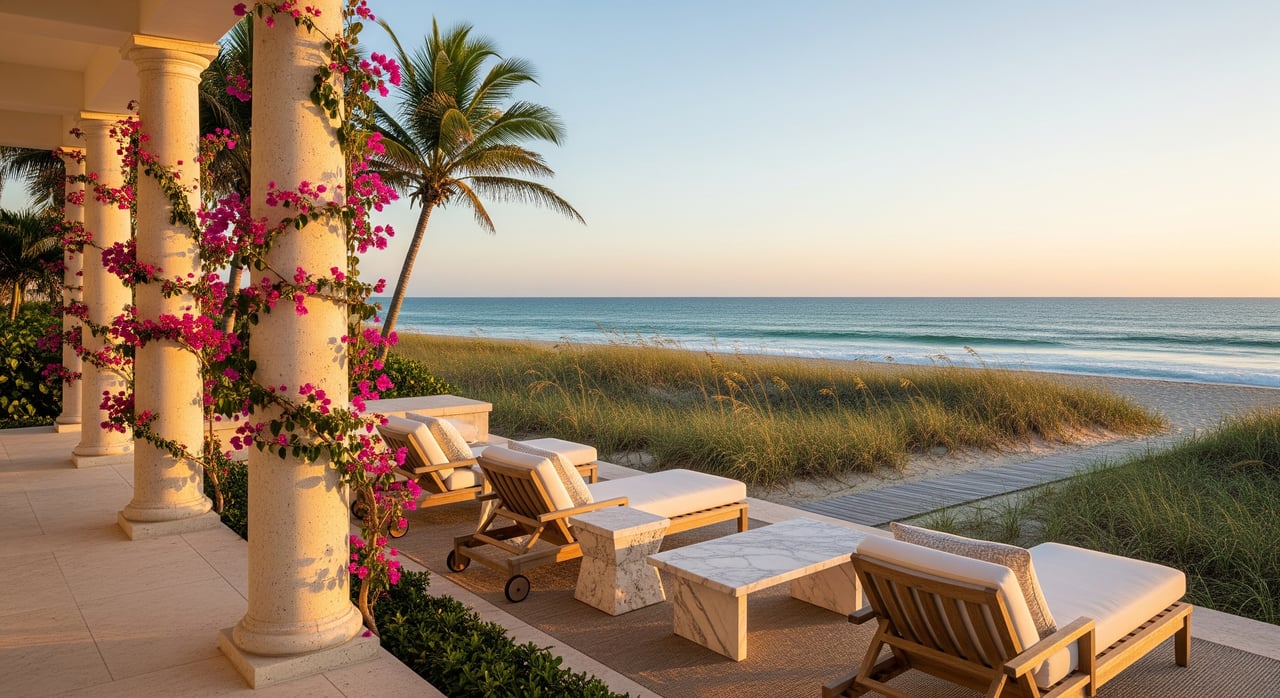
Experiencing the Palm Beach Oceanfront Lifestyle
February 5, 2026
February 5, 2026
What does it actually feel like to wake up with the Atlantic at your doorstep in Palm Beach? If you are weighing an oceanfront move, you want more than glossy photos. You want to understand the daily rhythm, the services that make life easy, and the practical realities that come with living on the shoreline. This guide walks you through a day on the island and the key things to know about homes, amenities, seasons, and safeguards so you can decide if it fits your lifestyle. Let’s dive in.
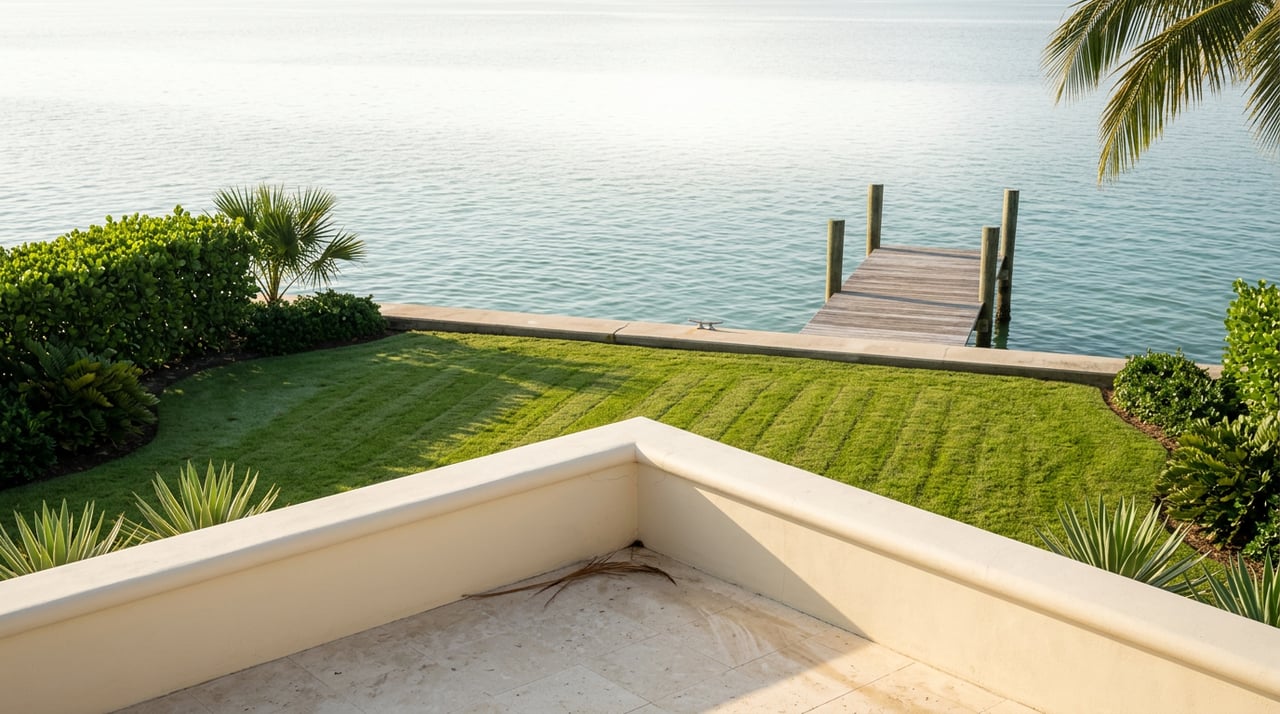
Early mornings are a favorite time. You step onto a wide beach, the horizon clear and blue, with seabirds skimming the surf. Many buildings set out bagged towels and have attendants on duty, so you can walk, jog, or stretch before the heat rises. In summer, streets and shorelines feel quieter because many seasonal residents are away.
By mid‑morning, you might stop by a staffed lobby to check packages or valet your car. Full‑service condominium towers often handle dry cleaning pick‑up, deliveries, and guest access. If you prefer to stay in, you can move from a state‑of‑the‑art fitness center to the pool or a spa treatment room without leaving the building.
Your day can be as structured or relaxed as you like. Many oceanfront buildings offer private beach access, gear storage, and shaded lounge areas. Quick errands are simple, and if you need more variety, the mainland is minutes away for specialty shops and services.
Boating is central for many residents. With direct Atlantic access through local inlets, owners enjoy offshore sportfishing, coastal cruising, and day trips. Private marinas and yacht services across the region cater to a wide range of vessels, from tenders to superyachts.
When you want a change of scene, nearby West Palm Beach, Boca Raton, and Delray Beach expand your choices for museums, theater, and dining. On the island, classics like The Breakers, the boutiques on Worth Avenue, and the Flagler Museum anchor the experience. The mainland adds major cultural venues and a broader casual dining scene.
Palm Beach has a defined season. From late fall through spring, the island comes alive with charity luncheons, benefit galas, and cultural previews. Many buildings include private dining and event spaces, and club invitations fill calendars quickly for those who enjoy a polished social routine.
Summer brings more heat, humidity, and afternoon thunderstorms, plus a calmer rhythm on the island. You get quieter streets, easier reservations, and plenty of space on the sand. It is a good time to focus on wellness, home projects, or quick trips.
Palm Beach’s oceanfront includes two primary forms of living:
Low‑rise garden condos and co‑ops exist, though they are less typical on prime oceanfront stretches. Many residences are second homes, and the owner demographic skews older and wealthier than the county average. Inventory for true oceanfront is limited, and activity tends to be more seasonal in the winter months.
In oceanfront condos, daily convenience often looks like this:
Many buildings also have rules that shape daily life, including policies on pets, guests, rentals, and renovations. HOA dues reflect the staffing and insurance required to maintain these services.
Palm Beach has a warm, sub‑tropical climate with mild winters and humid summers. Hurricane season runs from June 1 through November 30, with peak activity typically from August to October. For guidance and updates, follow the National Hurricane Center. Most residents plan for seasonal prep and keep basic supplies on hand.
Coastal South Florida experiences tidal flooding in certain conditions and faces long‑term sea‑level rise exposure. Before you buy, review local conditions with the NOAA Sea Level Rise Viewer and confirm your specific flood zone and base flood elevation on FEMA’s Flood Map Service Center. Oceanfront homes can sit above beach grade yet still face storm surge risk during hurricanes.
Florida’s property insurance market has seen volatility, and windstorm, hurricane, and flood coverage can be significant line items. The Florida Office of Insurance Regulation provides consumer updates on coverage options. In condominiums, master insurance policies and potential special assessments can affect monthly dues.
The Town of Palm Beach has zoning, historic preservation processes, and coastal construction standards that influence renovations and new builds. Start with the official Town of Palm Beach for planning and permitting resources. Many projects require engineers familiar with Florida Building Code coastal standards.
Palm Beach Island connects to the mainland by bridges, and travel to Palm Beach International Airport usually takes 15 to 25 minutes by car, depending on traffic. Many service professionals commute from nearby communities, and traffic can peak during the winter season. Major hospitals and specialists are located in West Palm Beach and across the county.
For leisure and daily delights, the island’s core experiences include The Breakers, boutique shopping and dining on Worth Avenue, and the Gilded Age grandeur of the Flagler Museum. For a broader overview of area attractions, see Visit Palm Beach County.
Many buyers ask about income potential when they are away. Short‑term rentals are restricted or prohibited in many buildings, and rules vary widely by HOA. If rental flexibility matters to you, review building bylaws before you buy. Expect HOA dues in high‑service oceanfront buildings to reflect concierge staffing, insurance, and coastal maintenance.
Here is a simple budgeting checklist to start your planning:
If you want a lifestyle built around the sea, curated service, and a polished social calendar in season, Palm Beach delivers. If you value privacy, many buildings are controlled and discreet, while the island’s rhythm offers both active and quiet seasons. The tradeoff is higher operating costs and careful attention to coastal codes, insurance, and maintenance. With limited true oceanfront inventory, the choice often comes down to lifestyle fit, building culture, and your comfort with the practical details.
When you are ready for tailored guidance, curated options, and access to private opportunities, connect with The Hasozbek-Garcia Team. Our boutique advisory approach helps you evaluate buildings, bylaws, and coastal considerations with confidence.
Stay up to date on the latest real estate trends.
Bringing together a team with the passion, dedication, and resources to help our clients reach their buying and selling goals. With you every step of the way. Contact The Hasozbek-Garcia Team today for a free consultation for buying, selling, renting or investing in Florida.
Get in Touch With Our Team to Learn More
THE HASOZBEK-GARCIA TEAM
125 WORTH AVE STE 221 PALM BEACH FL 33480