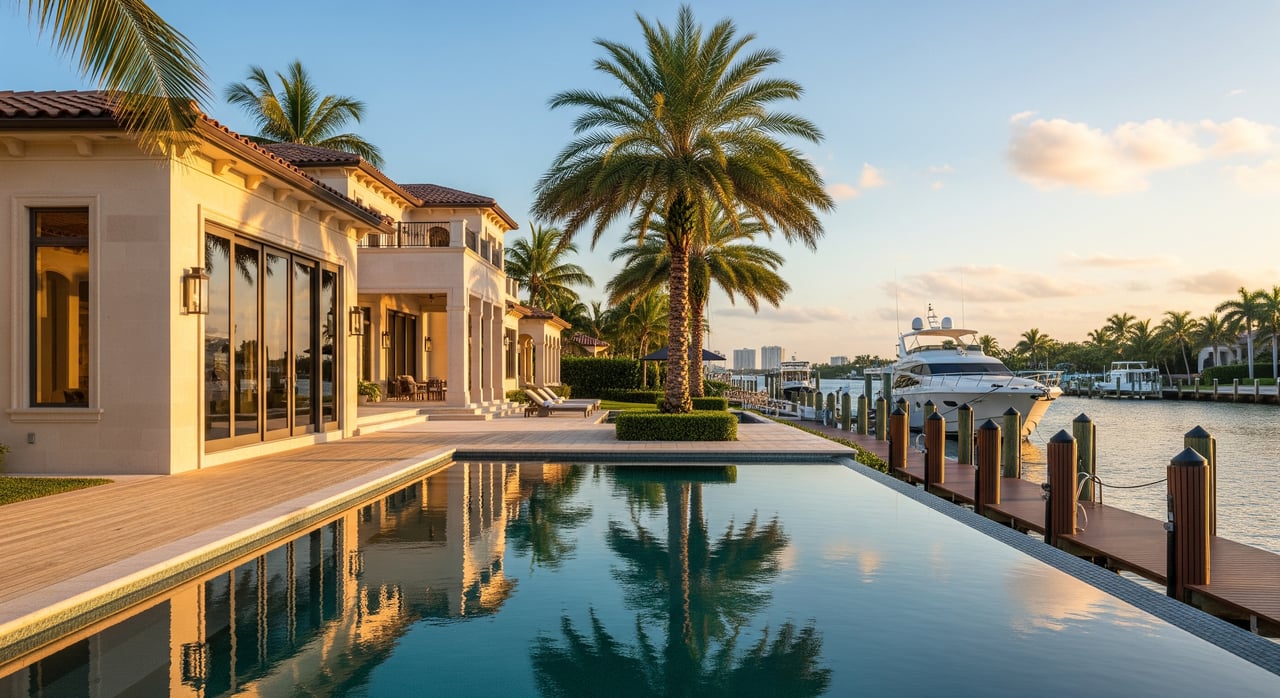
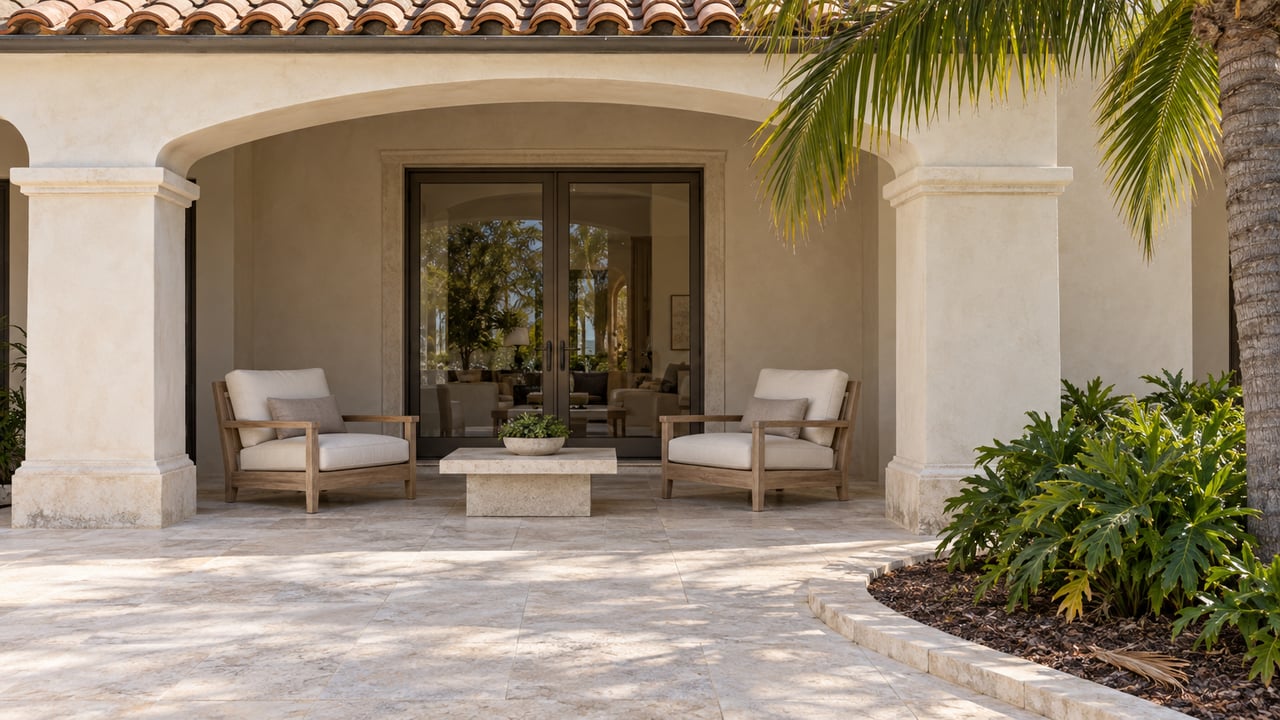
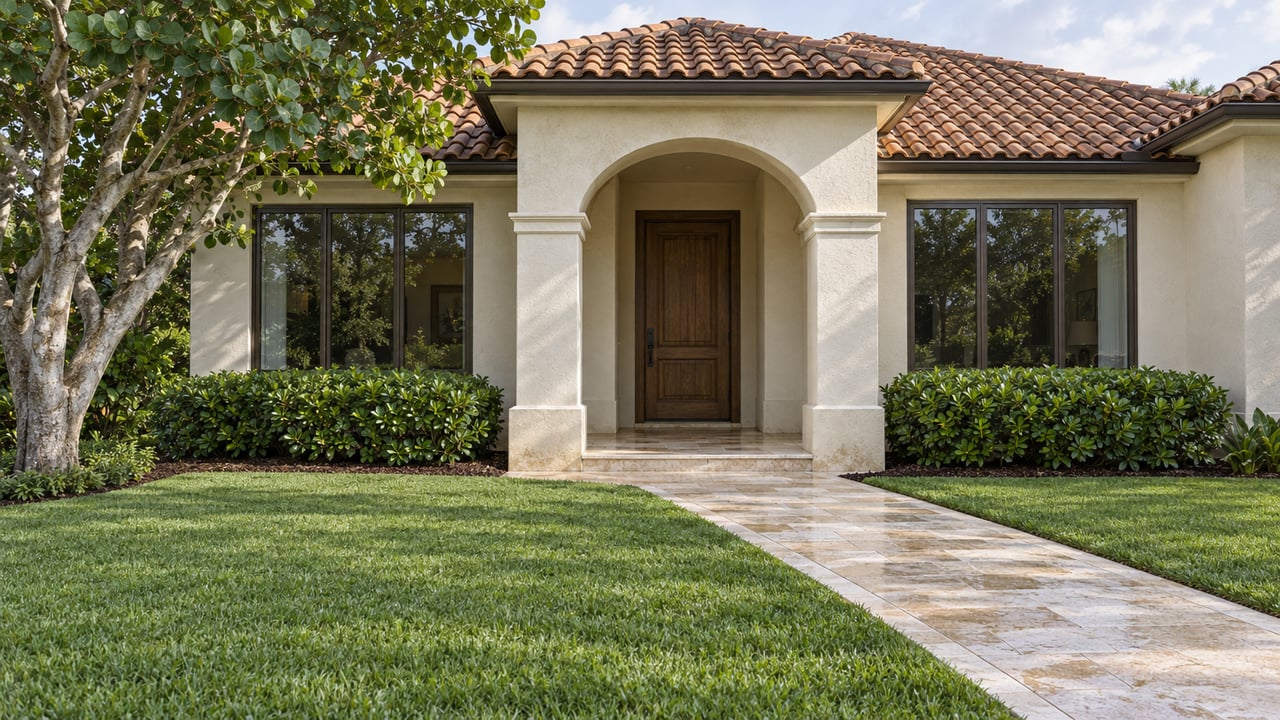
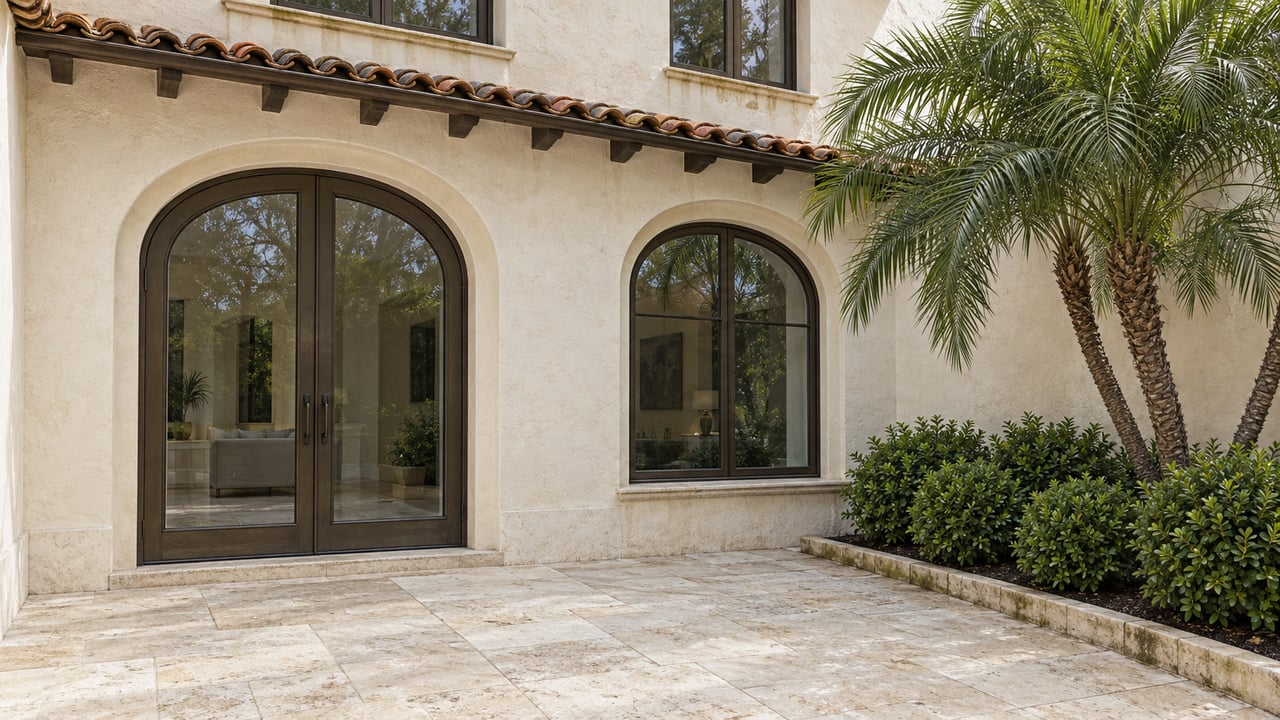
You only get one chance to make a marquee waterfront listing feel inevitable at the price you want. If you are preparing to sell in North Palm Beach, you know the right buyer is specific, informed, and often boat‑driven. This guide shows you how to price with confidence using verifiable data, the right comp set, and a launch plan that respects privacy while attracting top offers. Let’s dive in.
Read the market first
Before you name a price, scan recent closed sales and pending inventory for North Palm Beach and Palm Beach County. Look back 90 to 120 days for luxury waterfront and track days on market and list‑to‑close ratios. Watch interest rates and insurance costs too, since both affect the practical buyer pool.
Use trusted sources. Pull parcel details and sale history from the Palm Beach County Property Appraiser. For county‑level trendlines, review Florida Realtors market reports. Your agent’s MLS access will complete the picture and surface private sales that never hit the public record.
Value drivers on the water
Premium waterfront value rests on measurable marine and site features. Each one shapes who your buyer is and what they will pay.
Water frontage
- What to verify: Certified survey confirming linear feet along the mean high‑water line. Cross‑check assessor notes and plats.
- Value impact: Many sellers start with price per linear foot, then refine based on depth, route to open water, and home quality. Per‑foot values are hyper‑local, so derive them from true waterfront comps nearby.
Water depth
- What to verify: Charted depth from NOAA nautical charts and actual depth at the dock. Note any recent dredging and maintenance agreements.
- Value impact: Deep, consistent water that avoids low‑tide shoaling commands a premium. Shallow or narrow canals reduce value even with generous frontage.
Orientation and exposure
- What to verify: View corridors, prevailing wind, afternoon sun, and exposure to open‑water fetch. Consider docking ease in typical wind.
- Value impact: Unobstructed Intracoastal or open‑water views often carry higher premiums. Heavy wind and wake exposure can increase maintenance and lower desirability.
Wake zones and boat traffic
- What to verify: Local wake rules and speed zones through the Village of North Palm Beach and county pages. Note any planned channel changes.
- Value impact: No‑wake basins are valued for quiet enjoyment and safety. High‑traffic corridors can shorten dock and lift lifespan and reduce appeal for swimmers and small craft.
Bridge clearance and route to ocean
- What to verify: Official vertical clearances and operating details for nearby bridges using U.S. Coast Guard bridge information. Confirm practical routes to open water.
- Value impact: A no‑bridge or high‑clearance route is a major premium for larger yachts. Low fixed bridges can remove an entire buyer segment.
Dock and marina features
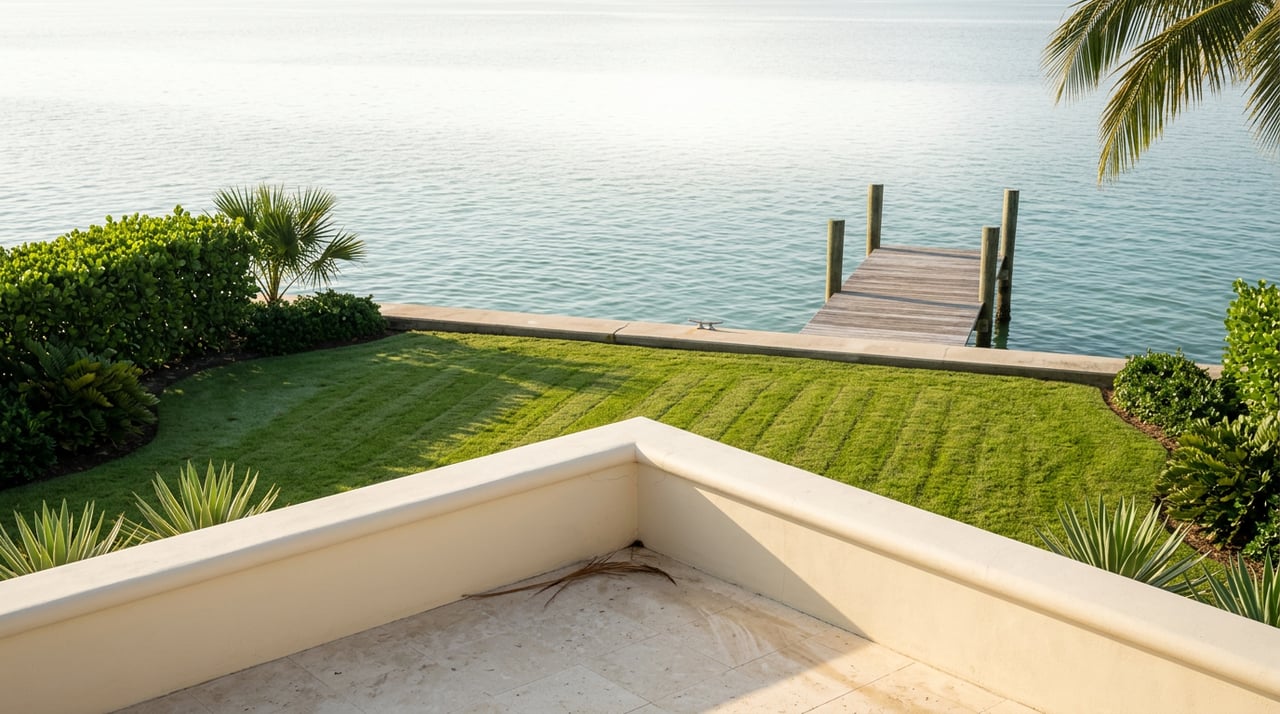
- What to verify: Slip length, piling depth, permits, lift capacity, and shore power amperage. Confirm any shared dock agreements or recorded easements.
- Value impact: A turnkey, permitted dock with the right lift and power raises effective value. If the dock is deficient, expect buyers to subtract full replacement cost.
Seawall condition
- What to verify: Type, age, elevation, observed settling or scour, and permit history. Capture contractor bids for repair or replacement.
- Value impact: Failing seawalls are a major price drag and can stall financing. Buyers and lenders often require repairs before closing.
Lot depth and privacy
- What to verify: Lot dimensions, buildable area, rear setbacks, and usable upland. Review survey and elevation.
- Value impact: Deep lots with generous outdoor living areas and good sightlines are more desirable. Narrow upland behind the seawall limits lifestyle and price.
Condition, permits and insurance
Renovation level and systems
Sophisticated buyers want turnkey function, not just cosmetics. Impact‑rated openings, modern mechanicals, standby power, and salt‑air‑durable finishes support top‑tier pricing. Verify permits, final inspections, and a clear certificate of occupancy for recent work.
Flood risk and insurability
Check the property’s FEMA flood zone and Base Flood Elevation with the FEMA Flood Map Service Center. An elevation certificate and local mitigation programs can influence flood premiums. Higher insurance costs or mandatory mitigation can reduce buyer demand and affect your list price.
Marine and environmental permits
Work on seawalls, docks, dredging, and mangrove trimming often requires local, state, and federal approvals. Start with the Florida Department of Environmental Protection and your municipal code. Unpermitted work can delay closing or force corrective costs that buyers will price in.
Title, riparian rights and easements
Confirm dock rights, any submerged lands leases, and recorded easements that affect exclusivity or future expansion. Clear title and clean riparian rights protect value and ease negotiations.
Taxes, assessments and rules
Review current assessments and ask about pending special assessments for shoreline or dredging programs. If applicable, note HOA rules for docks, exterior changes, and rentals, since restrictions can alter value.
Choose and adjust comps like a pro
Build the right comp set
Compare like to like. Match waterbody type, frontage, depth at dock, bridge route, seawall condition, lot size, and interior finish level. Use the most recent 90 to 180 days of sales, and extend farther back only if inventory is thin, then adjust for market movement.
Private trades matter in this segment. Your agent can incorporate off‑market sales and buyer feedback to calibrate the true market tone.
Adjustment checklist
When reconciling price, be ready to adjust for:
- Waterfront footage and verified depth at dock
- Dock and lift quality versus no dock
- Bridge clearance and route time to open water
- Seawall age and condition
- Renovation scope and recency
- Lot depth, privacy, and outdoor living
- View quality and setbacks
- Time adjustments for market shifts
- Unique features like boathouses, guest suites, or specialty hardscape
Each adjustment should be supported by documented costs, permits, or consistent comp patterns.
Other valuation approaches
- Cost approach: Useful when the home is essentially new or unique. Include seawall, dock, elevated foundation, and hurricane hardening costs.
- Broker intel: In the ultra‑luxury tier, coordinated broker feedback and buyer tours help confirm where real demand sits. Use it to validate your comp math.
- Automated models: Treat them as a reference only. Unique waterfront features often outpace what automated valuations can capture.
Pricing and launch strategy
When a private launch fits
A quiet, invitation‑only launch can protect privacy, control showings, and create focused interest among qualified buyers. It suits unique properties, confidentiality‑sensitive sellers, or listings with few true comps. Require proof of funds, offer a complete due‑diligence packet, and track feedback closely.
If private momentum is light after 30 to 45 days, shift to a public launch with refreshed pricing or positioning. The goal is to preserve value while still reaching the right buyers.
When to go public
Choose a public launch when several qualified buyers are active, when you need market data to support top offers, or when speed to close matters. Public exposure expands competitive tension and can maximize price discovery.
What to present at launch
- Certified survey with verified waterfront footage
- Elevation certificate, seawall and dock inspections
- Dock permits, lift specs, and power details
- Bridge clearance and route summary from U.S. Coast Guard and NOAA charts
- Permit history and documented renovation costs
- A comp grid showing per‑foot and feature adjustments
This documentation builds buyer confidence and supports your pricing narrative.
Red flags and negotiation triggers
- Seawall replacement requirements or shoreline programs on the horizon
- Unpermitted docks or structures uncovered during diligence
- Finished floor below Base Flood Elevation without mitigation options
- Low fixed bridge clearance that rules out larger yachts
- Shared riparian rights or access easements that reduce exclusivity
- Heavy wake corridors that raise maintenance and noise concerns
Your pre‑list checklist
- Order a certified boundary survey and confirm linear waterfront footage
- Pull MLS closed sales and pending comps from the last 90 to 180 days
- Verify FEMA flood zone and obtain an elevation certificate
- Schedule seawall and dock inspections with written bids for any work
- Compile complete permit history and clear any open permits or violations
- Document bridge clearances and the route to open water using official sources
- Prepare a polished marketing packet for private showings or public launch
- Decide launch path now and set a clear timeline to adjust if needed
When you price a North Palm Beach waterfront home the right way, you do more than set a number. You tell a credible story about access, engineering, lifestyle, and risk that the right buyer will pay for. If you want a boutique, discreet plan that aligns with your goals and today’s market, connect with The Hasozbek-Garcia Team. Get Access to Our Private Listings.
FAQs
How is pricing waterfront homes different from inland homes?
- Waterfront value depends on frontage, depth, bridge clearance, dock quality, and seawall condition, not just square footage and finishes.
How do I verify bridge clearance for my listing?
Which documents help justify a premium price?
- Provide a certified survey, elevation certificate, seawall and dock inspections, dock permits and lift specs, and a comp grid with clear per‑feature adjustments.
When should I choose a private, invitation‑only launch?
- Choose it for privacy‑sensitive or truly unique properties, then set a 30 to 45 day review window to pivot public if qualified interest is limited.
How do flood zones affect pricing and insurance?
- Your FEMA zone and Base Flood Elevation influence insurability and mitigation costs, which buyers factor into price; verify with the FEMA Flood Map Service Center.
What local rules can impact value in North Palm Beach?