Jupiter Island Waterfront Architecture by Style
June 18, 2026
June 18, 2026
If you have ever wondered why Jupiter Island waterfront homes feel so distinct, the answer starts with the land itself. This is not a shoreline where architecture can ignore dunes, water views, privacy, or storm exposure. On Jupiter Island, style is shaped as much by setting and local policy as by design taste. Let’s dive in.
Jupiter Island sits on a barrier island between the Atlantic Ocean and the Indian River Lagoon and Hobe Sound. The town’s planning framework places strong emphasis on protecting natural resources, managing hurricane risk, and addressing sea-level rise. That means waterfront architecture here is closely tied to a sensitive coastal setting, not just visual appeal.
The town also protects beach vegetation, dunes, and erosion-control lines. Public beach access is intentionally limited, and walking on dunes or driving on the beach is prohibited. For you as a buyer or seller, that helps explain why the island often feels quiet, private, and residential, and why many homes are designed to sit gently within the landscape.
Jupiter Island’s development pattern supports low-density, single-family living. Principal residences are capped at 10,000 square feet, and the code allows accessory structures such as guest houses, staff quarters, cabanas, pool structures, docks, tennis facilities, and dune crossovers when they are incidental to a single-family residence.
That framework matters because it shapes how homes live. Instead of dense vertical massing, many properties spread out through outdoor rooms, detached structures, landscaped buffers, and waterfront setbacks. In practical terms, a home may feel much larger and more flexible than its main footprint suggests.
Among current waterfront listings, modern coastal stands out as one of the clearest design directions on Jupiter Island. A recent oceanfront estate at 75 N Beach Road is described with a modern coastal aesthetic, featuring an open chef’s kitchen, dual islands, a den, a golf-cart bay, and an oceanfront primary suite with a balcony.
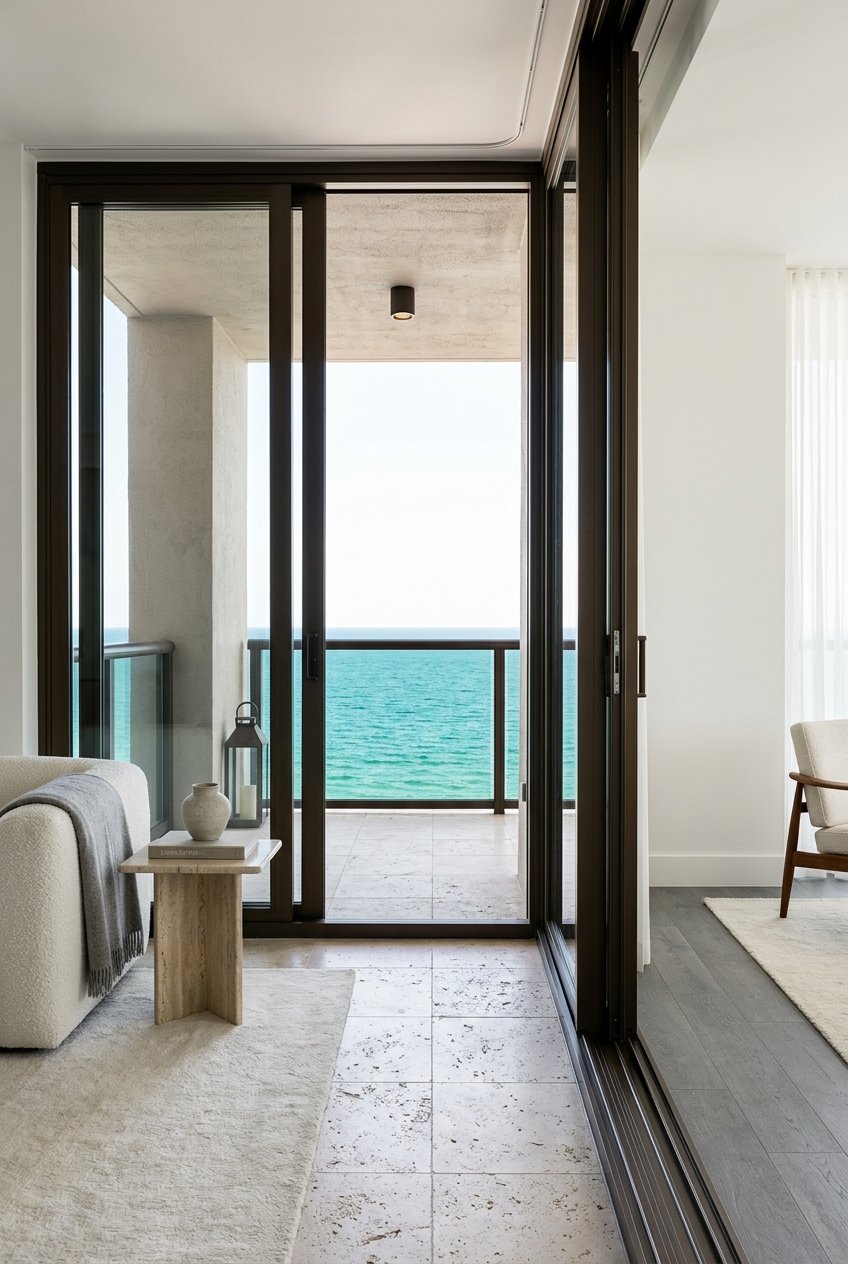
The broader language of modern coastal design centers on crisp lines, large windows, open breezeways, soft neutral palettes, and strong indoor-outdoor flow. On Jupiter Island, that usually translates into homes where the view takes the lead. Rooms open easily to terraces, glass frames the water, and entertaining spaces feel seamless rather than segmented.
If you want the Atlantic or Intracoastal experience to be central to daily life, this style makes sense. It is especially well suited to buyers who value airy interiors, easy circulation, and a less formal approach to luxury.
It is also one of the more adaptable styles for today’s luxury buyer. Because the architectural language is streamlined, it can feel current without relying on heavy ornament. That flexibility is part of why modern coastal remains so relevant in Jupiter Island’s top-tier inventory.
Another strong design family on Jupiter Island is Bermuda and British West Indies-inspired architecture. A 43 N Beach Road estate is marketed as a Bermuda-style home with a main residence, guest house, cabana, private beach path, and oversized outdoor living areas. A separate South Beach Road estate is described as timeless British West Indies architecture with a main residence, guest house, detached pool cabana, and separate spa pavilion.
These styles are especially compatible with estate-scale coastal living. Bermuda architecture is rooted in English colonial design adapted to local environmental conditions, while West Indies references often include expansive verandas, high ceilings, and louvered shutters. On Jupiter Island, those features support shade, airflow, and a relaxed but refined tropical character.
If privacy matters most to you, these homes often deliver it beautifully. Their layouts tend to create a compound-like feel, where guest wings, cabanas, porches, and outdoor living areas are woven into the property rather than attached as afterthoughts.
This style also pairs naturally with the island’s zoning pattern. Since accessory structures and generous open space are part of the local development language, Bermuda and British West Indies homes often feel right at home here. They can offer separation for guests and staff while keeping the main house calm, sheltered, and connected to the landscape.
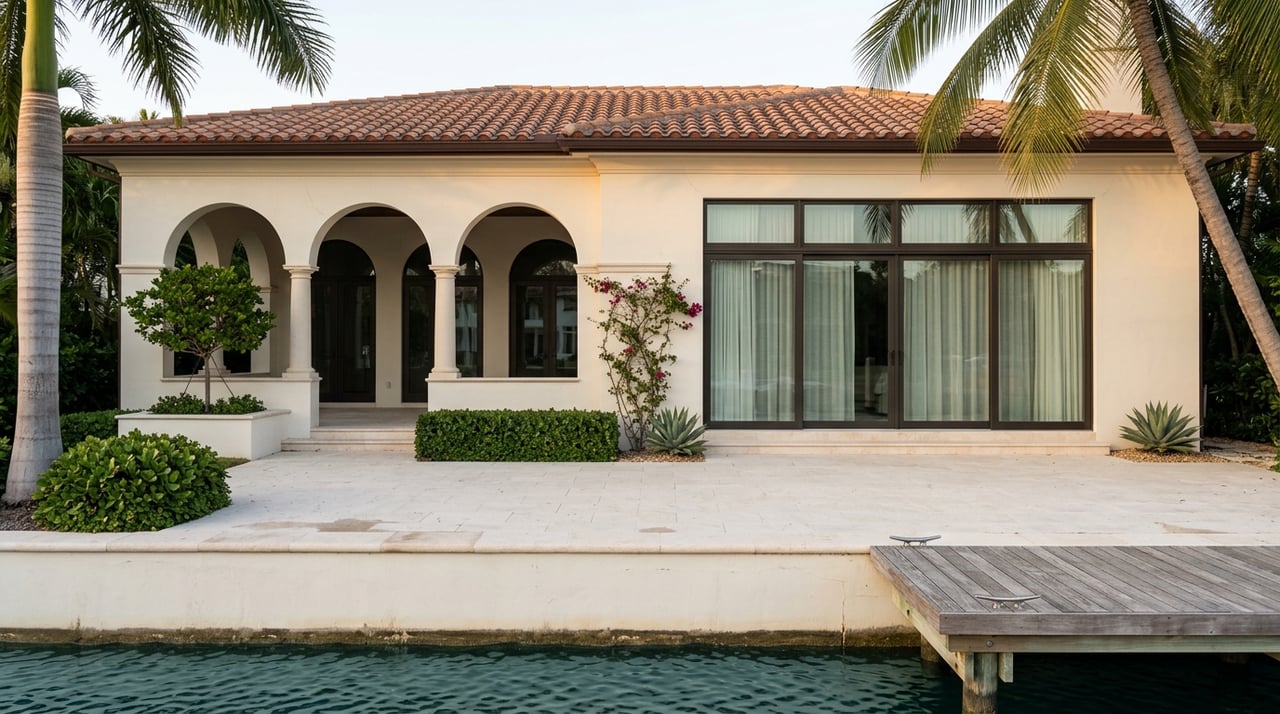
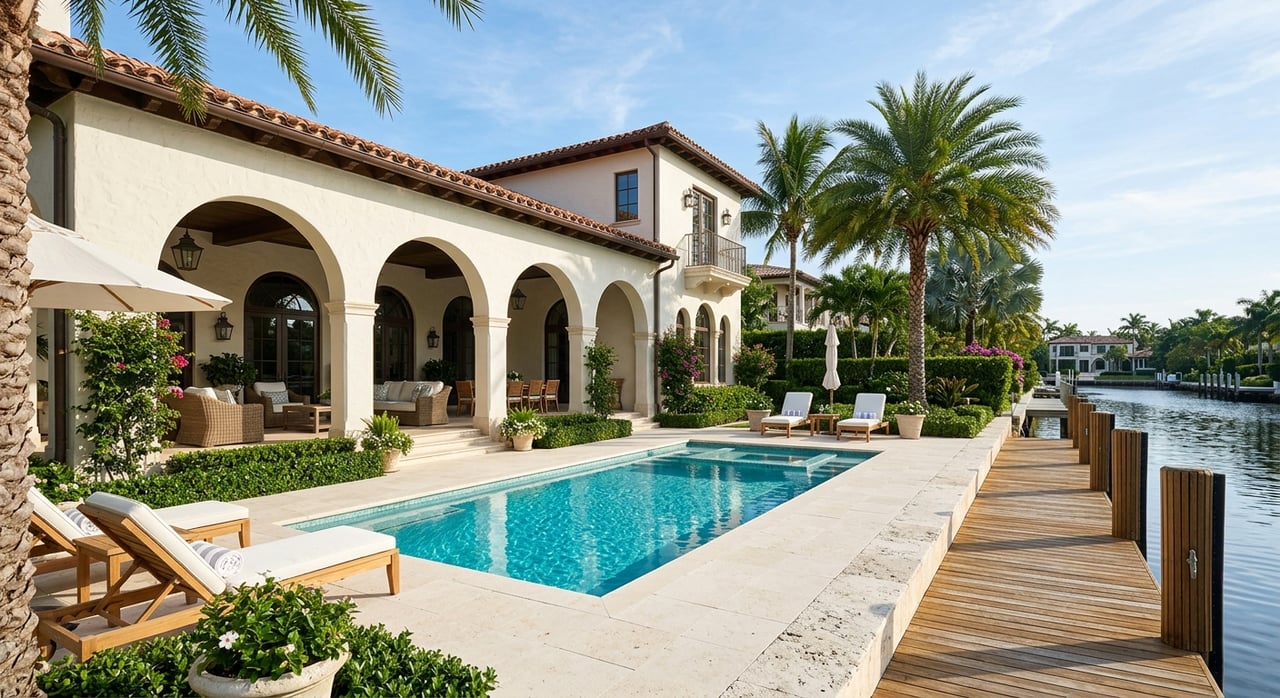
Mediterranean and Spanish Mediterranean homes remain an important part of Jupiter Island’s waterfront character. A current oceanfront estate at 398 South Beach Road is labeled Mediterranean, reflecting the continued appeal of classic South Florida design references.
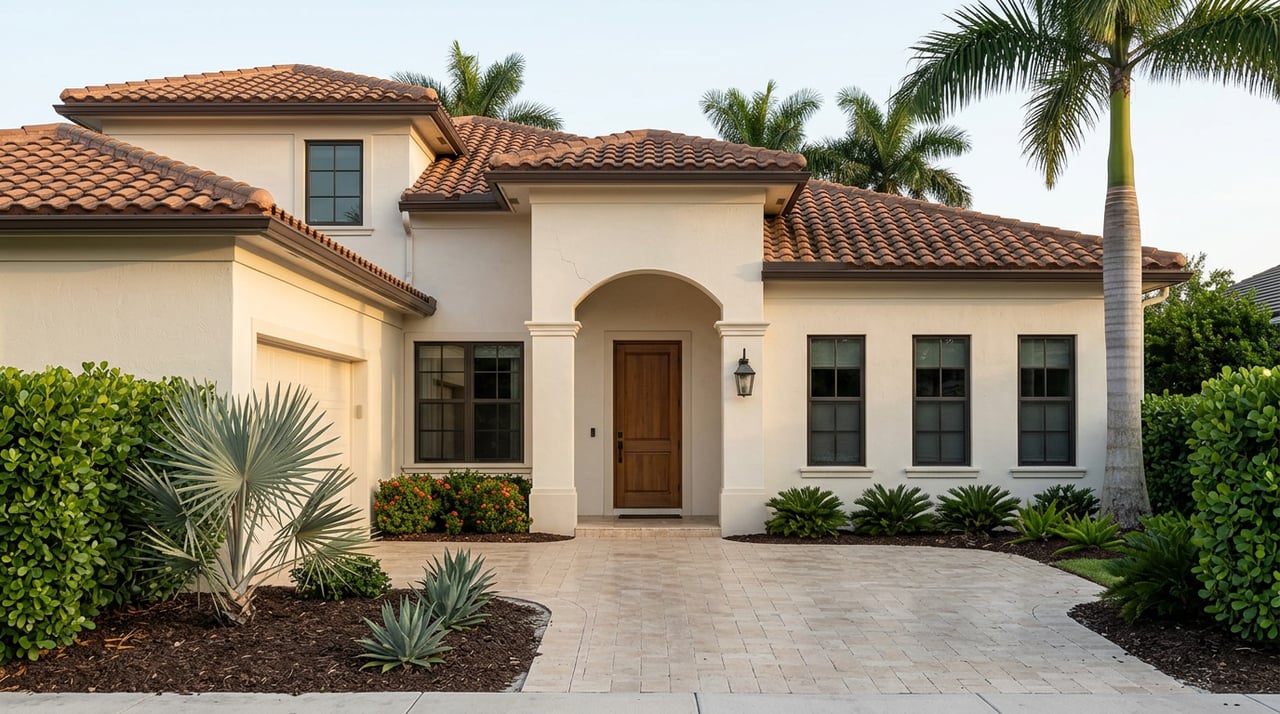
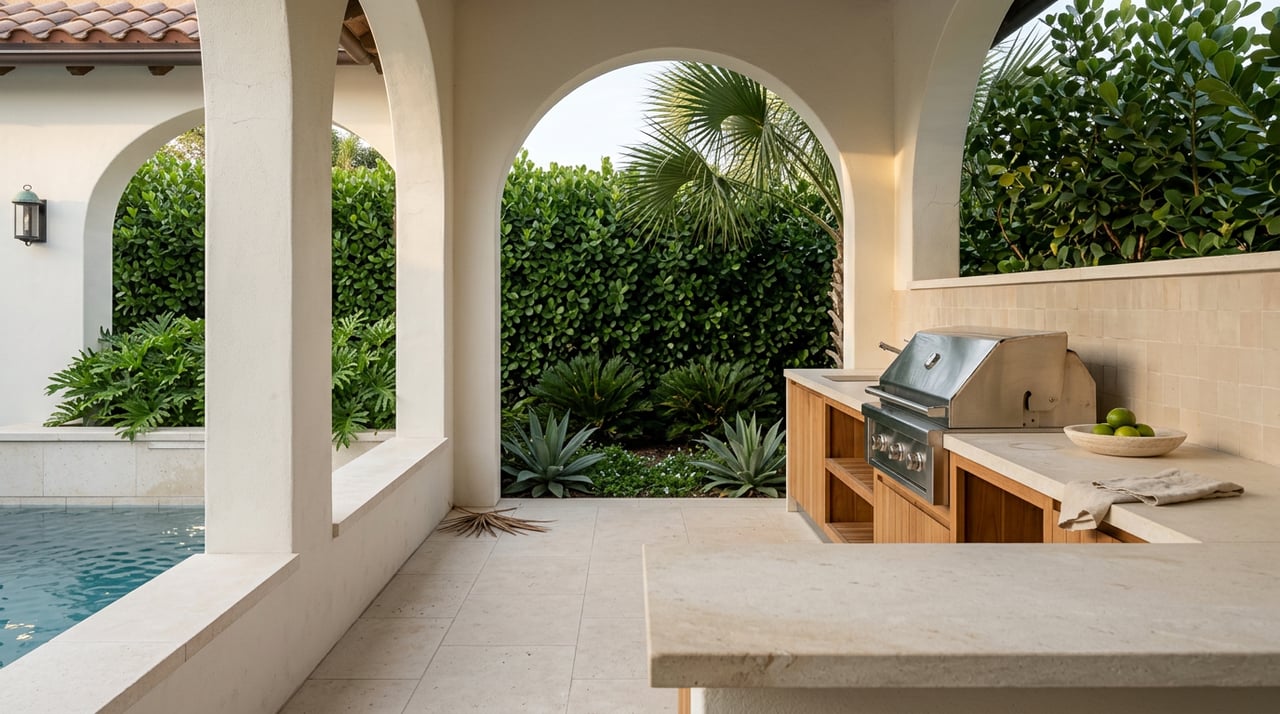
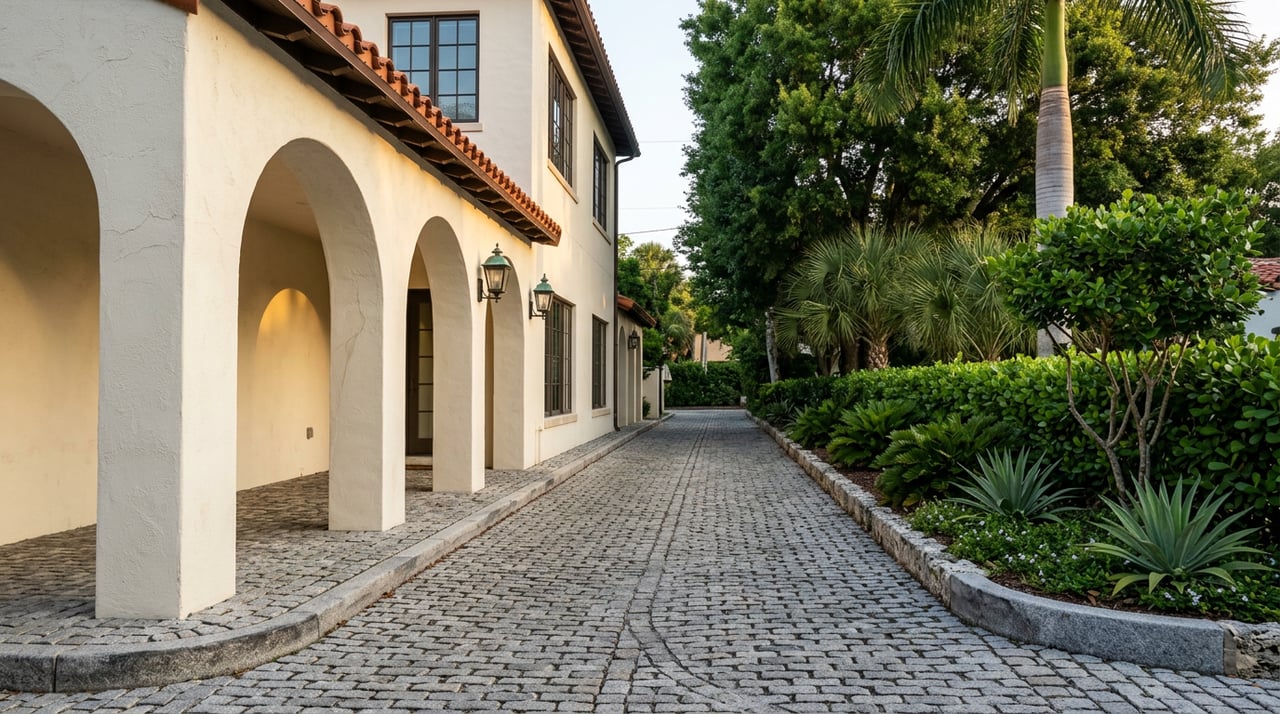
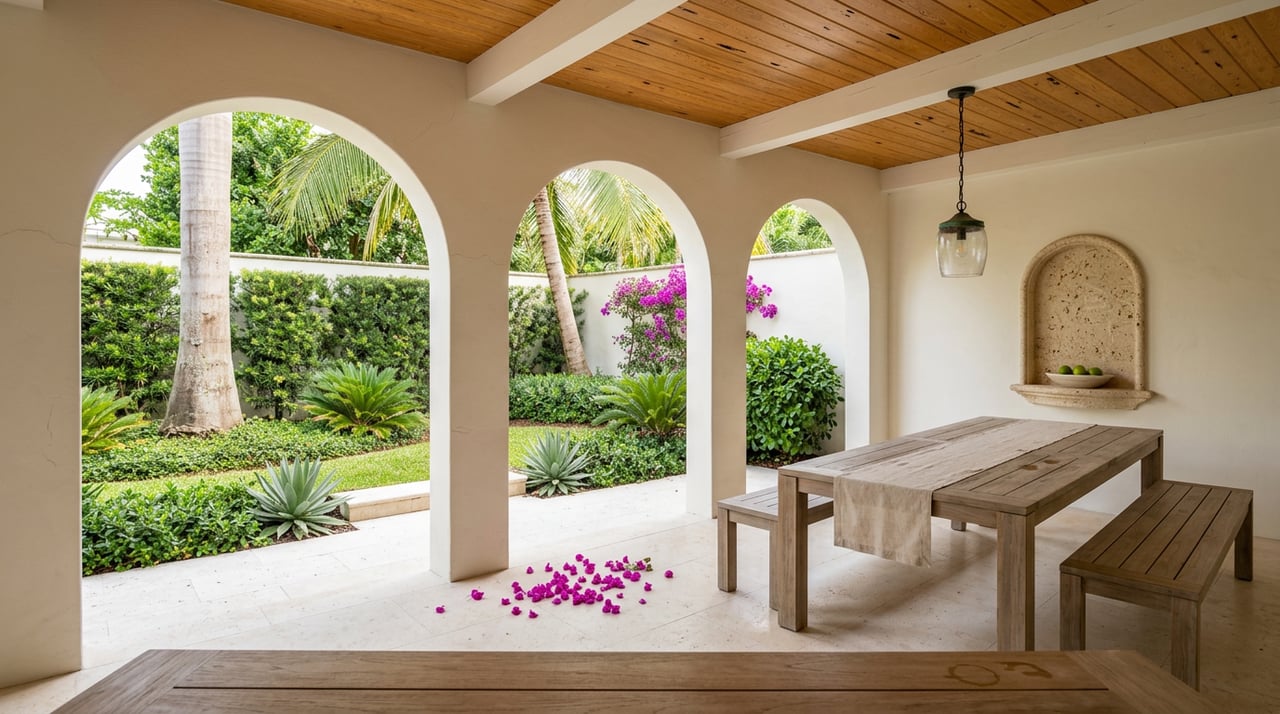
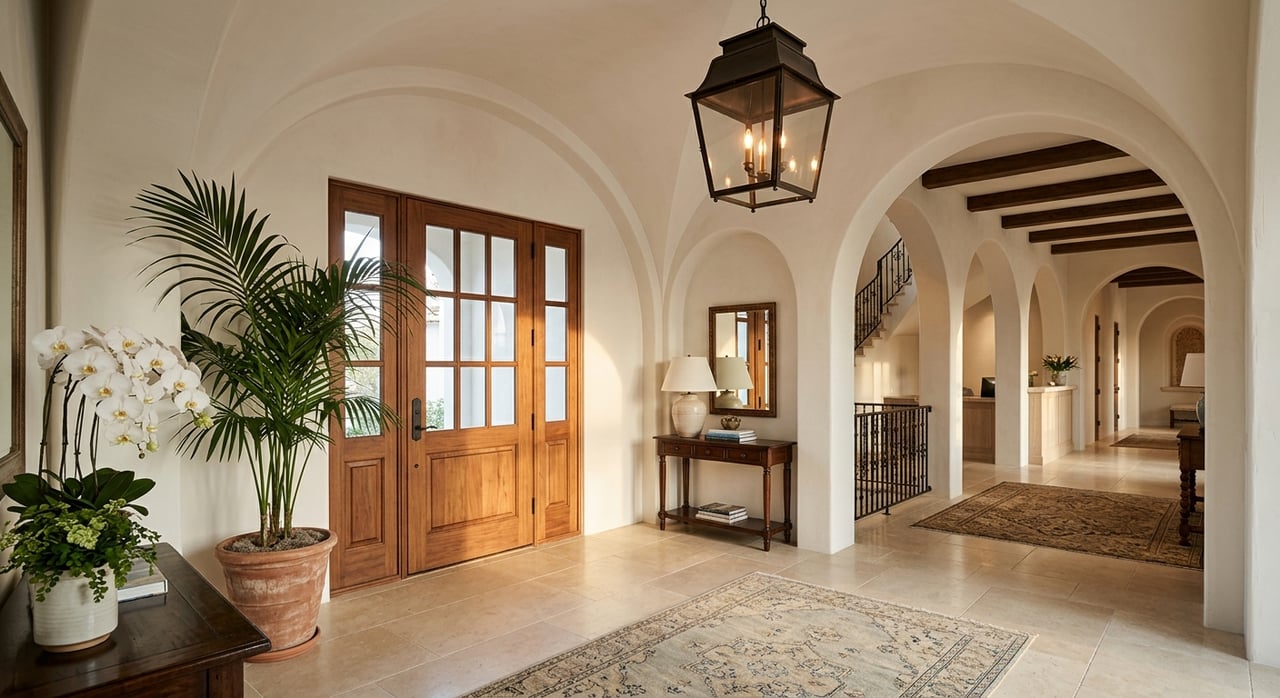
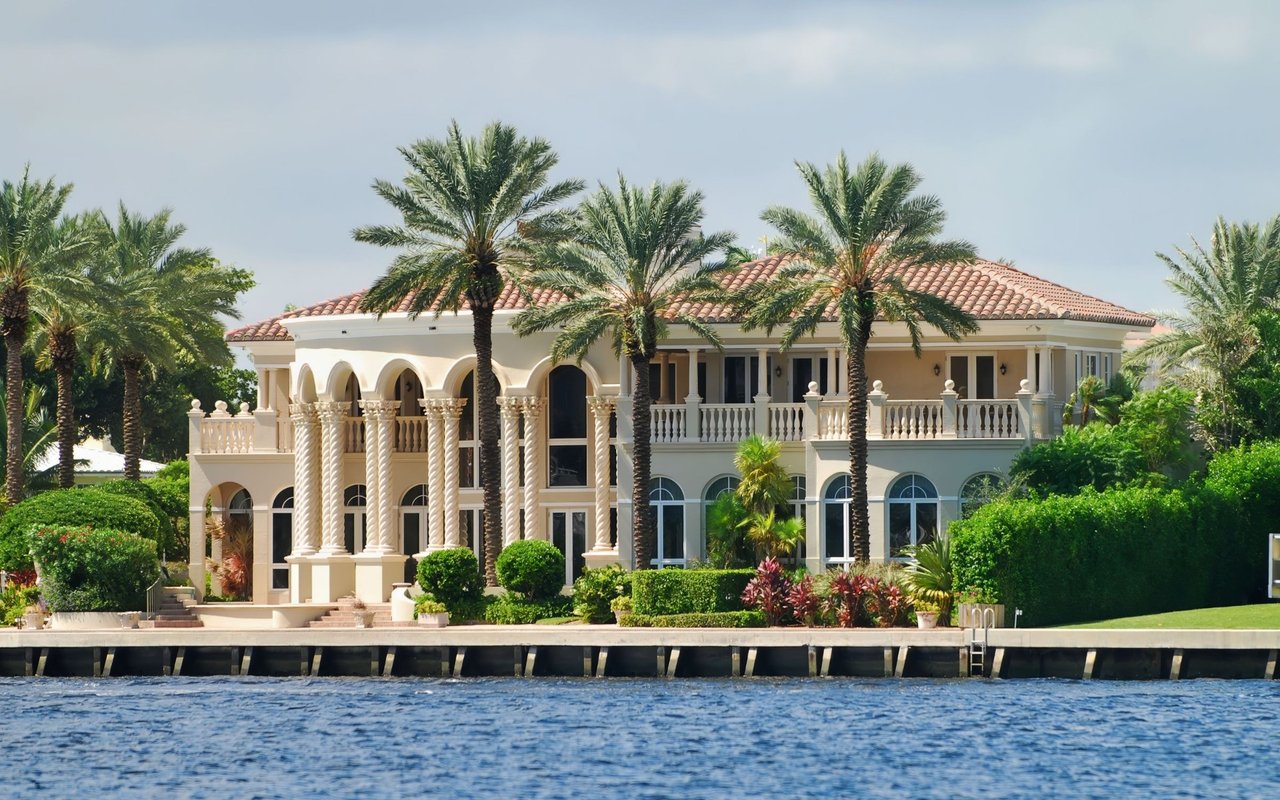
In Florida, Mediterranean Revival is commonly associated with stucco exteriors, terracotta tile roofs, low-pitched hipped roofs, arched openings, and ornate porches or courtyards. On Jupiter Island, that usually creates a more formal and resort-like mood than modern coastal. Arrival sequences may feel more ceremonial, and outdoor spaces often read as rooms with defined edges rather than open extensions of the interior.
This style tends to appeal to buyers who want a stronger sense of permanence and tradition. If you are drawn to courtyards, layered architecture, and a more established luxury tone, Mediterranean homes can feel especially compelling.
They can also support compound-style living when paired with guest houses, cabanas, and structured entertaining zones. In that sense, Mediterranean homes share some functional advantages with Bermuda and West Indies-inspired properties, even if the visual language is more formal.
Traditional waterfront estates are also present in the current market. A home at 183 South Beach Road is labeled Traditional, which is a useful reminder that not every significant waterfront property needs a highly expressive exterior style.
On Jupiter Island, traditional can mean a quieter exterior envelope with the focus shifting to scale, landscaping, proportion, and interior updates. In many cases, the architecture is intentionally restrained so the setting does the work. Water views, mature grounds, and room flow become the defining luxury elements.
For buyers who value flexibility, traditional homes can be especially appealing. Their restrained exterior language often makes them easier to renovate or reinterpret without fighting a highly specific architectural identity.
That is one reason traditional and transitional properties continue to matter in the luxury market. They allow you to modernize interiors, improve circulation, or update finishes while preserving a timeless relationship to the site.
It is important to remember that these categories are not rigid. On Jupiter Island, listing language may identify a home as modern coastal, Bermuda, Mediterranean, or traditional, but many properties blend features from more than one design family.
A house may have the open glazing of modern coastal, the cabana layout of British West Indies design, and the formal arrival of a Mediterranean estate. That mix is not unusual. In a market shaped by custom homes and highly specific waterfront sites, architecture often evolves around lifestyle needs as much as a pure style label.
The most useful way to read Jupiter Island architecture is by asking how a home supports the way you want to live. On this stretch of waterfront, style is rarely just cosmetic. It usually signals a different experience of privacy, entertaining, guest accommodation, and connection to the water.
Here is a simple way to think about it:
If you are preparing to sell a Jupiter Island waterfront property, the architectural story matters. Buyers at this level are not just evaluating square footage. They are also looking at how the home fits the island, how it handles privacy, how it frames the water, and whether the layout supports modern luxury living.
That means your home’s style should be presented with precision. A Bermuda-style compound, a traditional estate with updated interiors, and a modern coastal residence each attract attention for different reasons. The strongest positioning usually connects architecture to site conditions and lifestyle rather than relying on broad adjectives alone.
For buyers, the smartest approach is to look past labels and focus on how a property actually functions. Consider whether you want a main house with separate guest accommodations, whether outdoor living feels protected and usable, and whether the architecture emphasizes formality or ease.
You should also pay attention to how the home sits within the lot. On Jupiter Island, landscaping, setbacks, detached structures, and outdoor rooms all play a major role in the experience of ownership. Often, that is what makes a residence feel complete.
If you are considering buying or selling on Jupiter Island, architectural context can make all the difference in how a property is understood and valued. For tailored guidance on waterfront estates, private opportunities, and design-sensitive positioning, connect with The Hasozbek-Garcia Team.
Stay up to date on the latest real estate trends.
Bringing together a team with the passion, dedication, and resources to help our clients reach their buying and selling goals. With you every step of the way. Contact The Hasozbek-Garcia Team today for a free consultation for buying, selling, renting or investing in Florida.
Get in Touch With Our Team to Learn More
THE HASOZBEK-GARCIA TEAM
125 WORTH AVE STE 221 PALM BEACH FL 33480