Dune‑Smart Landscaping Tune‑Ups for Jupiter Island Sellers
October 16, 2025
October 16, 2025
Selling a beachfront home on Jupiter Island starts long before the first showing. Buyers notice how your dune looks, how you light the shoreline, and whether your property respects the coast. You want curb appeal without risking fines or harming protected habitat. This guide shows you how to make smart, compliant tune-ups that elevate value and protect your dune. Let’s dive in.
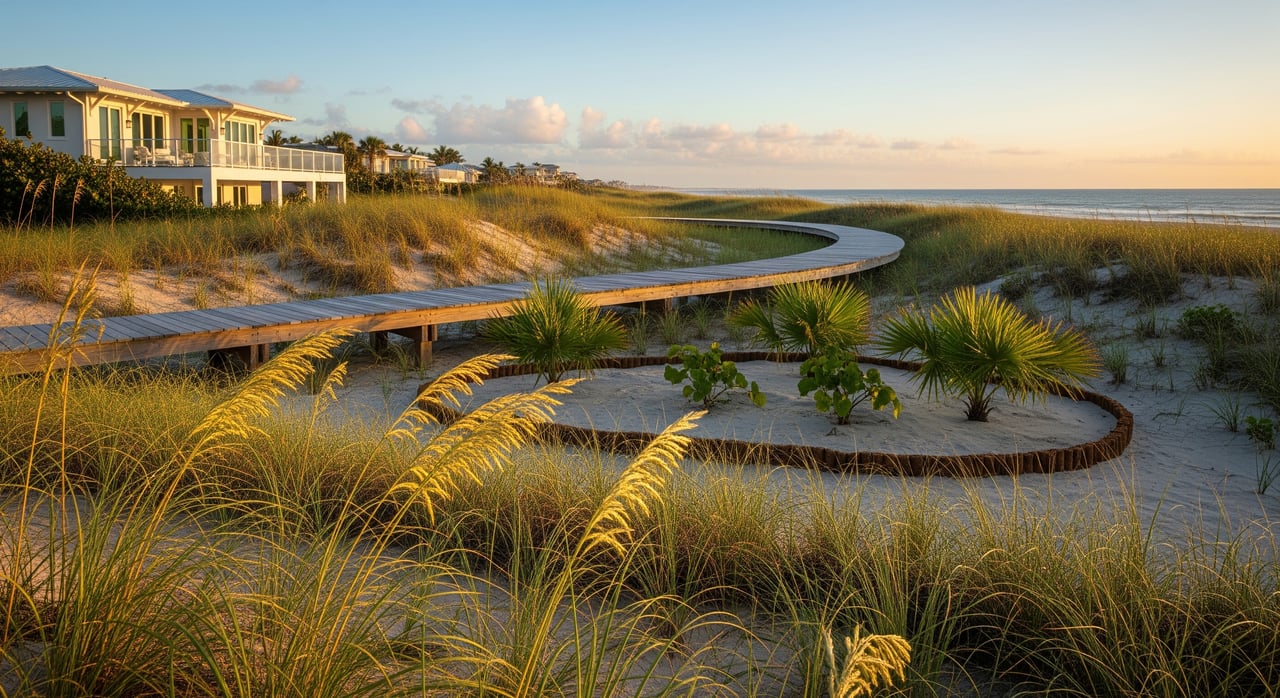
A healthy, tidy dune reads as premium and well cared for. It also protects your home by holding sand and absorbing storm energy. On Jupiter Island, coastal work must also respect wildlife and local laws. For example, sea-turtle nesting season runs March 1 through October 31, when lights visible from the beach can disorient turtles, so plan work and lighting carefully according to FWC.
Sea oats and seagrape are protected by Florida law. Do not remove or harvest them and only plant nursery‑propagated stock on your property under Florida Statute 161.242.
Many activities seaward of the Coastal Construction Control Line require special approvals. Before placing sand, installing fencing, or adding structures, verify your property’s CCCL location and contact FDEP early using DEP’s CCCL locator.
Jupiter Island maintains a Beach Protection program and specific lighting rules for coastal properties. Review the Town’s guidance and confirm permitting with the Building Department on the Beach Protection page. Exterior lighting must meet shielding, Kelvin, and visibility limits set in Ordinance 368.
Heavy equipment clearing and work near wetlands can require Martin County permits. Hand‑tool removal may be allowed with coordination. Before mobilizing machinery, review the county’s rules on Land Clearing Procedures.
Thoughtful planting can look refined and stabilize sand. Many dune restoration plantings qualify under Florida’s General Permit when you follow species diversity and siting rules in Rule 62B‑34.090 and select species from DEP’s native list. Use licensed nurseries and schedule around turtle season.
Temporary sand fencing, properly placed, can encourage dune growth and create an orderly visual edge. It is commonly authorized under the General Permit with size and placement limits outlined in Rule 62B‑34.090.
An elevated, open‑deck walkway protects vegetation and gives buyers a graceful, code‑aware beach approach. These structures typically require local review and must meet siting standards under Rule 62B‑34.090.
The goal is subtle, warm, and shielded light that is not visible from the beach. Choose long‑wavelength sources and warm color temperatures within Town limits. Confirm shielding, lumen caps, and placement with Jupiter Island’s Ordinance 368 and plan any visible lighting updates outside nesting season when possible per FWC.
If you can, schedule visible dune work outside March 1 through October 31. When work during the season is unavoidable, secure permits early and coordinate with the Town and relevant agencies for buffers and night‑work restrictions as outlined by FWC.
You can present a beautifully curated shoreline and stay fully compliant. If you want a second set of eyes on your pre‑listing plan or introductions to local specialists, The Hasozbek‑Garcia Team offers discreet, hands‑on guidance for Jupiter Island sellers.
Stay up to date on the latest real estate trends.
Bringing together a team with the passion, dedication, and resources to help our clients reach their buying and selling goals. With you every step of the way. Contact The Hasozbek-Garcia Team today for a free consultation for buying, selling, renting or investing in Florida.
Get in Touch With Our Team to Learn More
THE HASOZBEK-GARCIA TEAM
125 WORTH AVE STE 221 PALM BEACH FL 33480